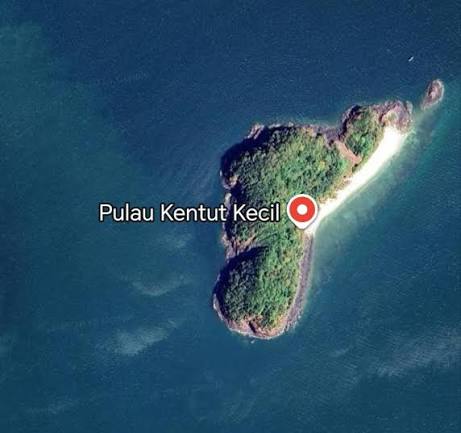
The “Fart Island” of Langkawi — a secluded, white-sand paradise with a name that will make you giggle and a beauty that will make you stay.
📍 Langkawi Archipelago · Kedah, MalaysiaPulau Kentut translates literally to “Fart Island” in Malay. The name comes from a local folktale involving a wedding, half-cooked rice, and two very unfortunate (but island-creating) farts.
According to legend, there was a wedding between the daughter of
Gunung Machinchang and the son of Gunung Raya. The
bride's family served the groom half-cooked rice. Upon eating it, he
farted — twice. The first fart created
Pulau Kentut Besar (Big Fart Island); the second created
Pulau Kentut Kecil (Small Fart Island). The commotion that
followed gave birth to the names of other places in Langkawi, including
Kuah and Belanga Pecah.
— Adapted from local folklore as recorded by Penang Travel Tips
and Tahan Outdoor.
Beyond the legend, Pulau Kentut has a deep geological past and a quiet human history tied to fishing, folklore, and modern conservation.
Geological origins. Like the rest of the Langkawi archipelago, Pulau Kentut began forming over 500 million years ago during the Cambrian period. The islands are part of the Setul Formation, composed mainly of limestone and sandstone. Over millennia, erosion and fluctuating sea levels carved out the karst landscapes, hidden coves, and white-sand beaches that define the island today.
Early human use. Pulau Kentut is uninhabited and has no freshwater sources, so it was never permanently settled. However, local fishermen from Langkawi and nearby mainland Kedah have long used its sheltered shores as a resting point and storm refuge. The surrounding waters are rich in marine life, making it a traditional fishing ground for generations of coastal communities.
Naming and folklore. The name “Pulau Kentut” has been part of local oral tradition for centuries. While the humorous legend of the two farts is the most well-known explanation, some researchers suggest the name may have originated from the island’s shape or a mispronunciation of an older local term. Regardless of its true origin, the name is now officially recognized on maps and in government records.
Modern era. In 2007, the Langkawi archipelago was designated a UNESCO Global Geopark, recognizing its outstanding geological heritage. Pulau Kentut falls within this protected area, and efforts are made to keep it pristine. Today, the island is a minor stop on island-hopping and snorkeling tours, appreciated for its unspoiled beauty and the amusing story behind its name.
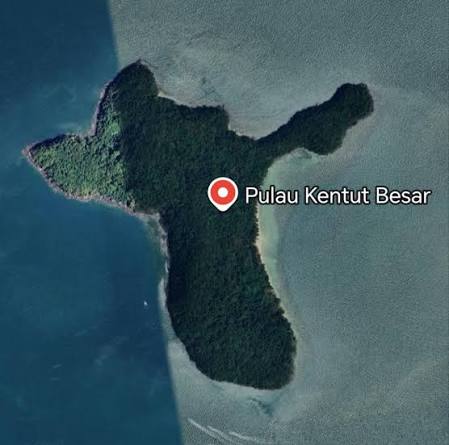
Pulau Kentut consists of two small, uninhabited islands in the Langkawi archipelago, located to the southwest of the main island of Pulau Langkawi.
You can reach Langkawi by ferry from Kuala Kedah, Penang, Kuala Perlis, or Satun (Thailand), or by direct flights from Kuala Lumpur, Penang, Thailand, and Singapore. Once on Langkawi, simply join an island-hopping or snorkeling tour that includes Pulau Kentut.
Because the islands are not a mainstream tourist hotspot, you’ll often have the beach almost entirely to yourself. Here’s what you can enjoy.
The waters around Pulau Kentut are crystal clear, with calm conditions ideal for families. Many tours provide gear and life jackets.
Soft white sand and turquoise water make this a perfect spot for sunbathing, swimming, and simply unwinding away from crowds.
Several tour operators combine a visit to Pulau Kentut with recreational fishing and a beachside BBQ of your fresh catch.
For the adventurous, spending a night on a secluded island is unforgettable. Bring a shelter, sleeping pad, and lighting.
The scenery is stunning, and the island’s humorous name makes for excellent bragging-rights photos.
Some tours include a 5-minute hike to a nearby island’s peak point, offering panoramic views of the archipelago.